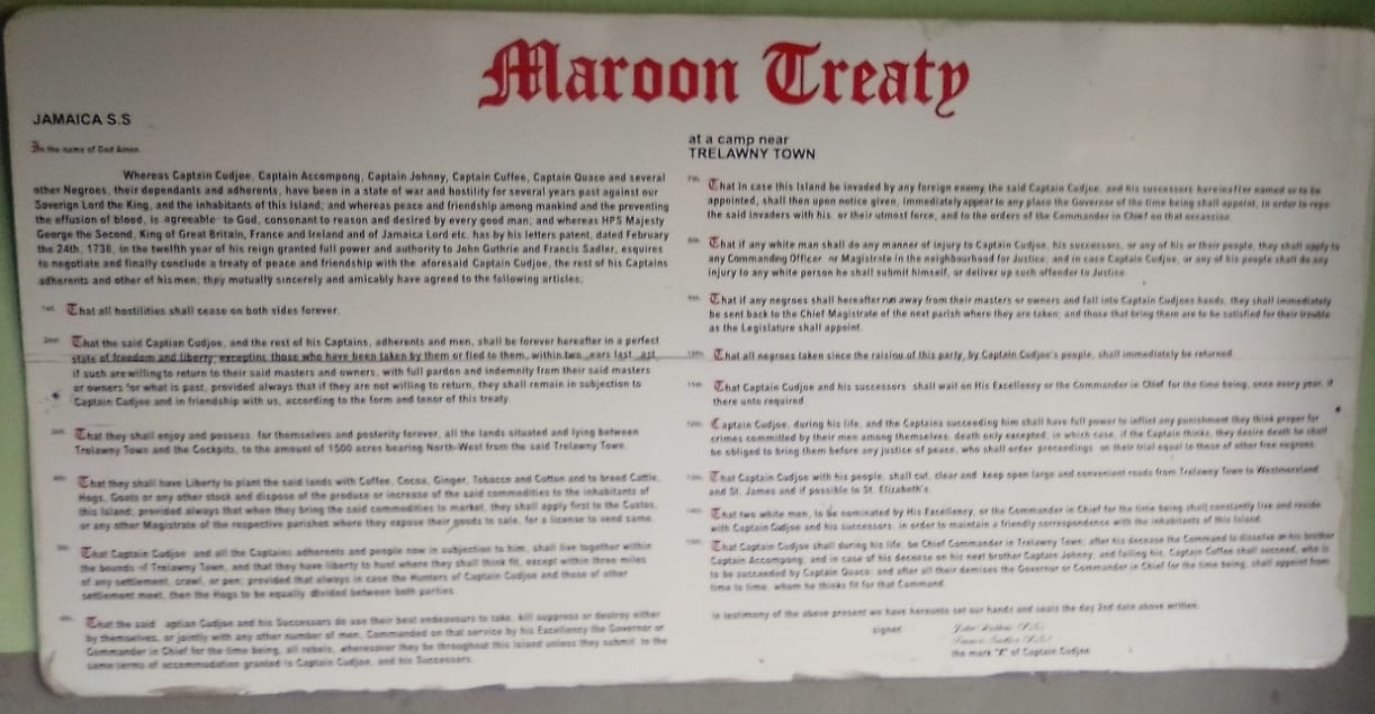
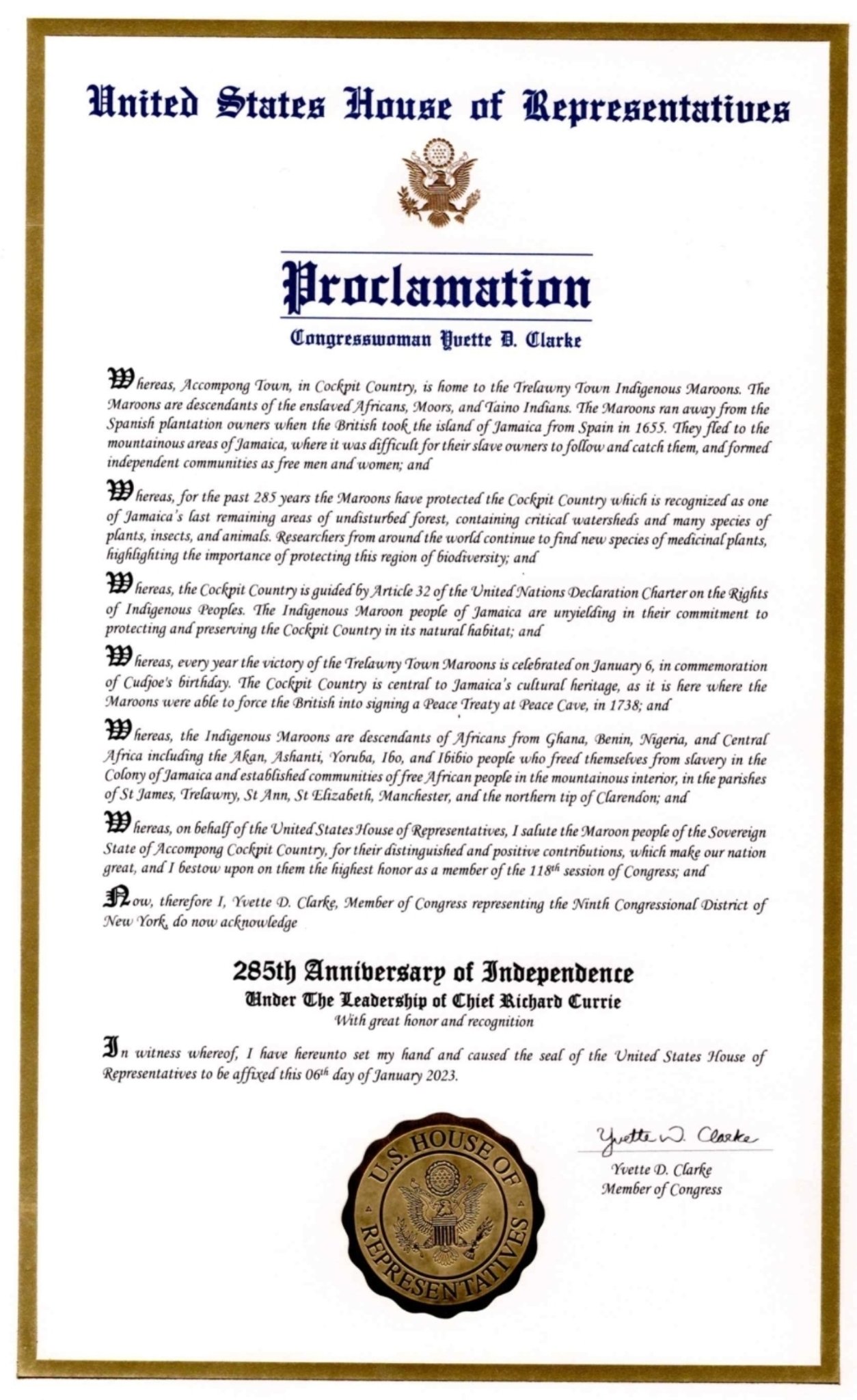
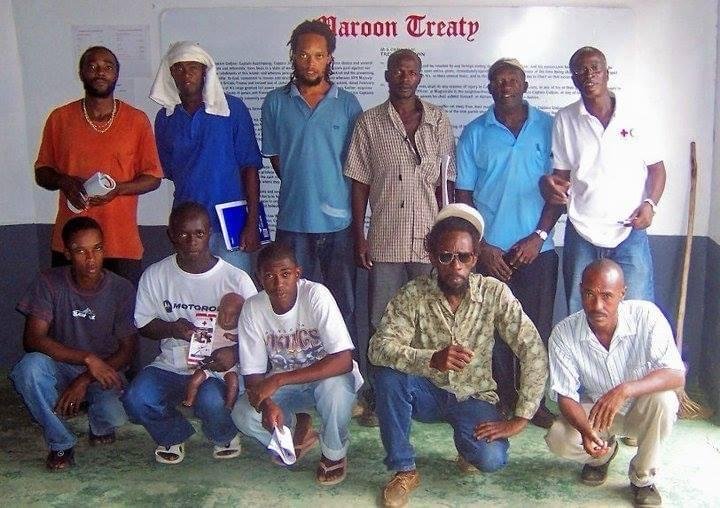
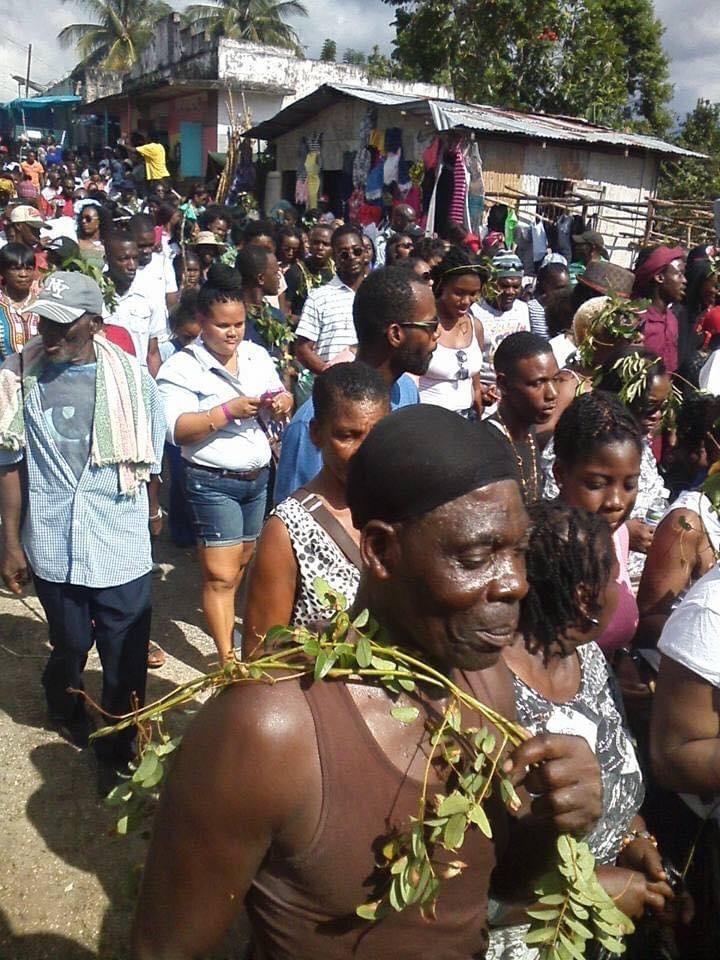
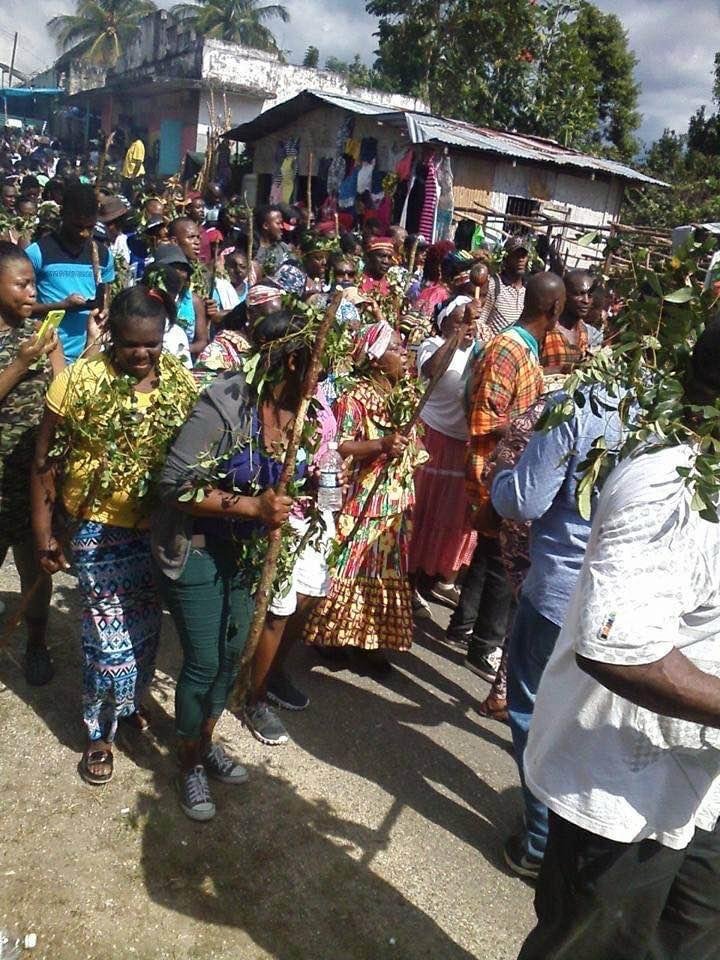
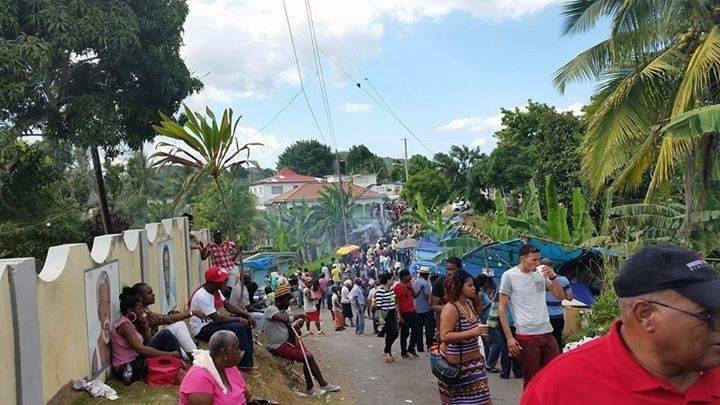
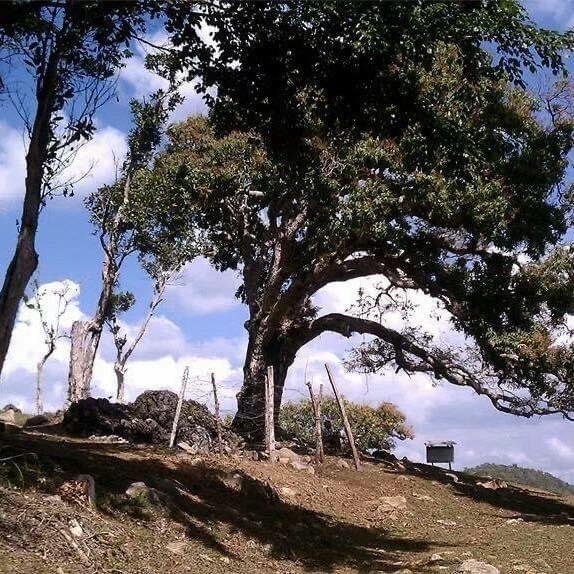
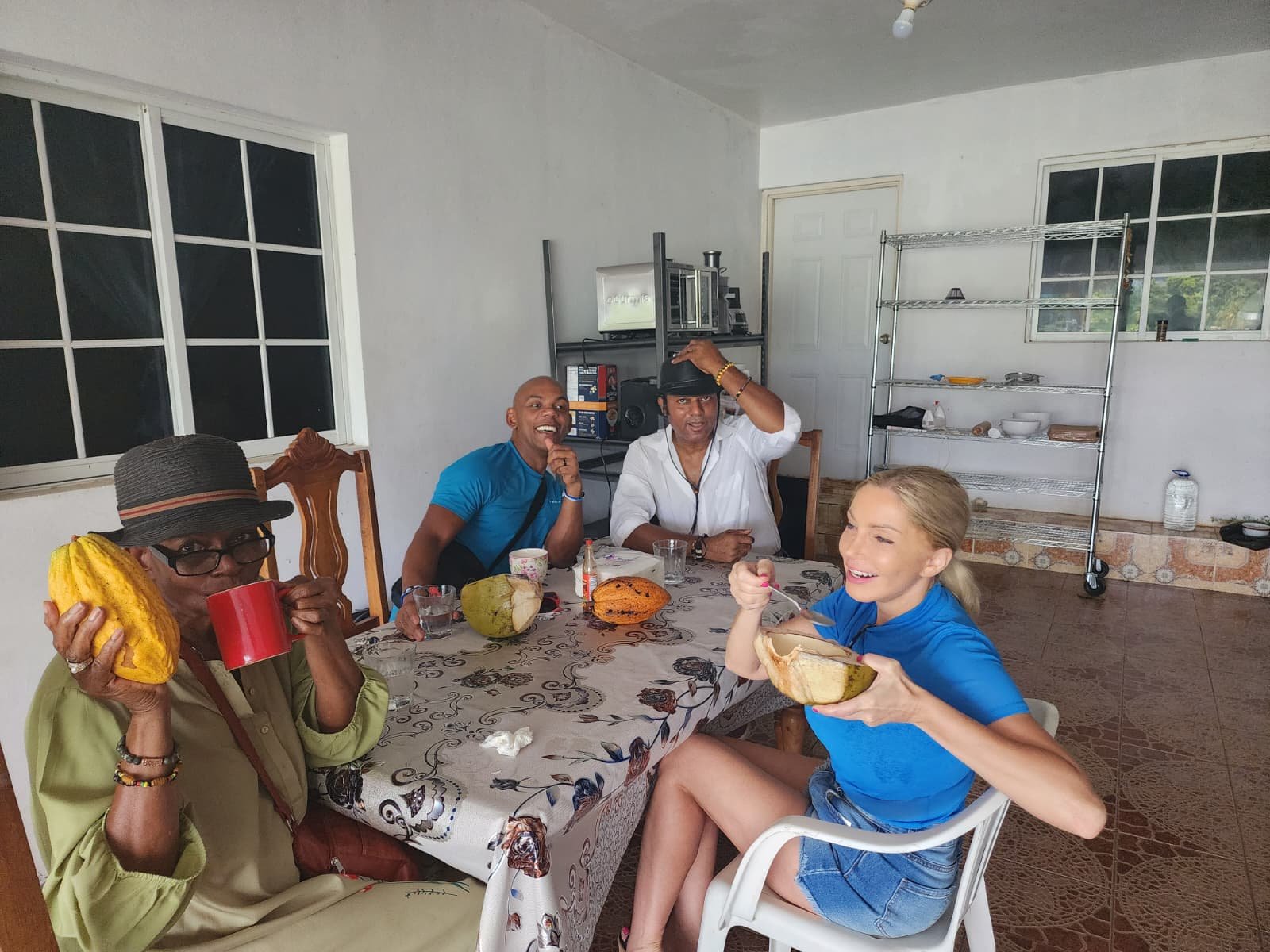
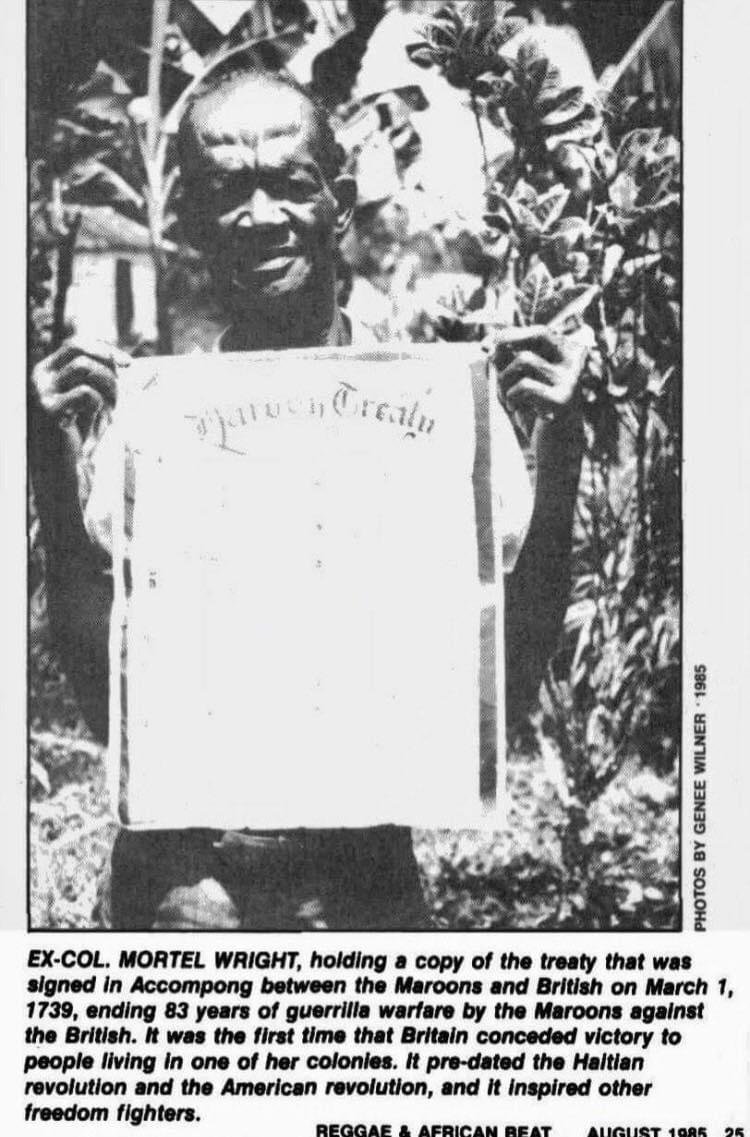
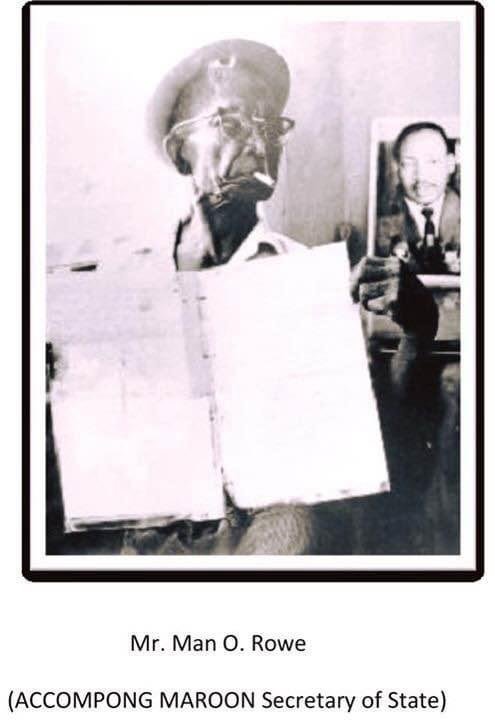
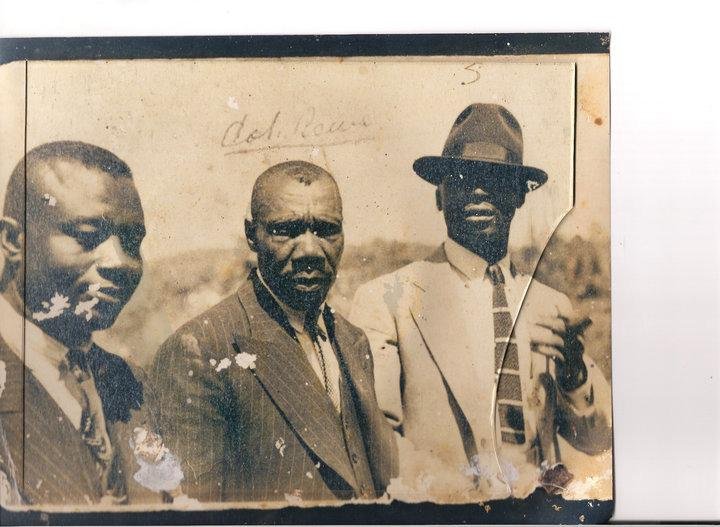
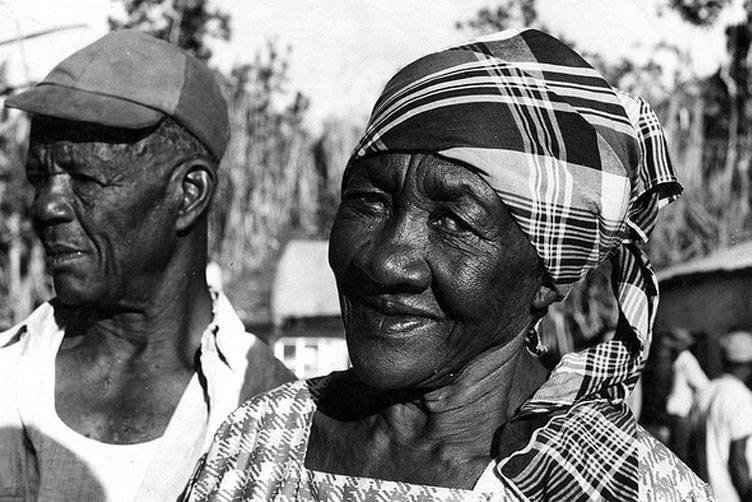
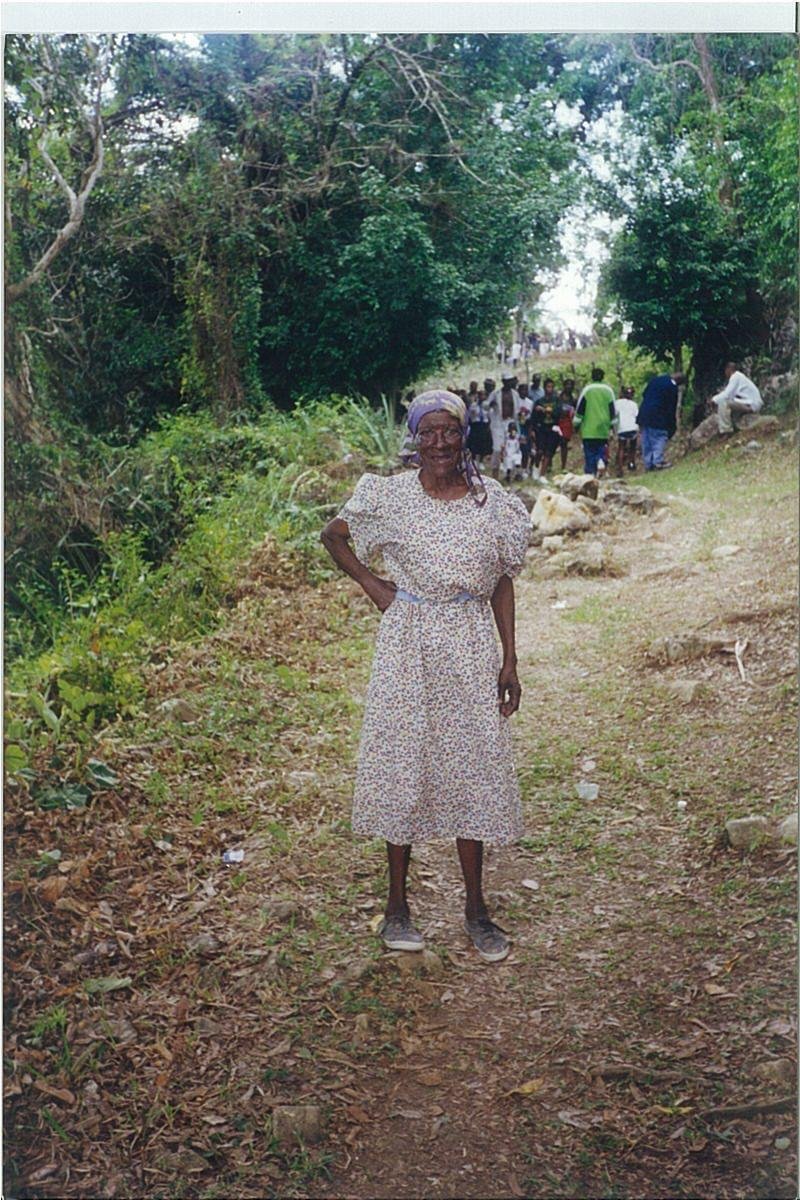
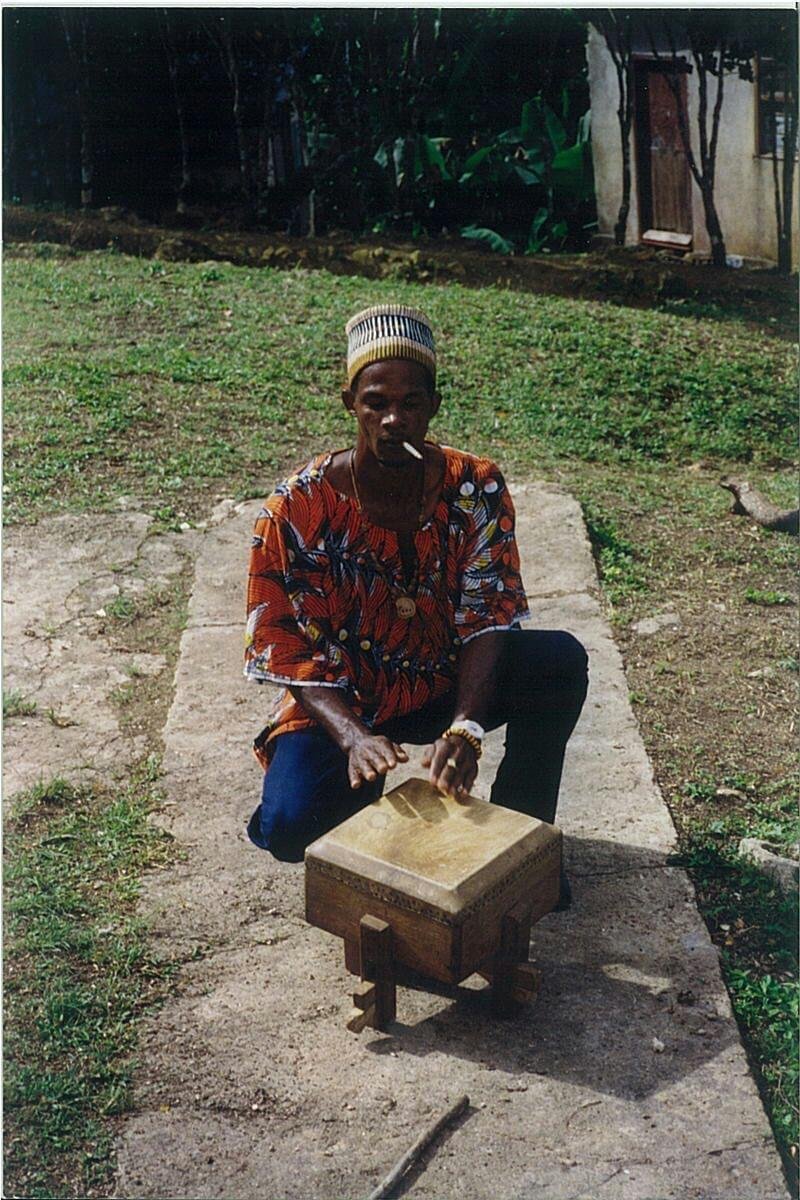
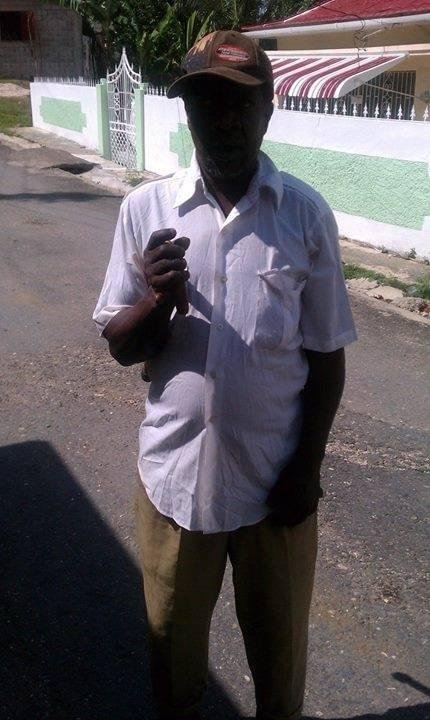
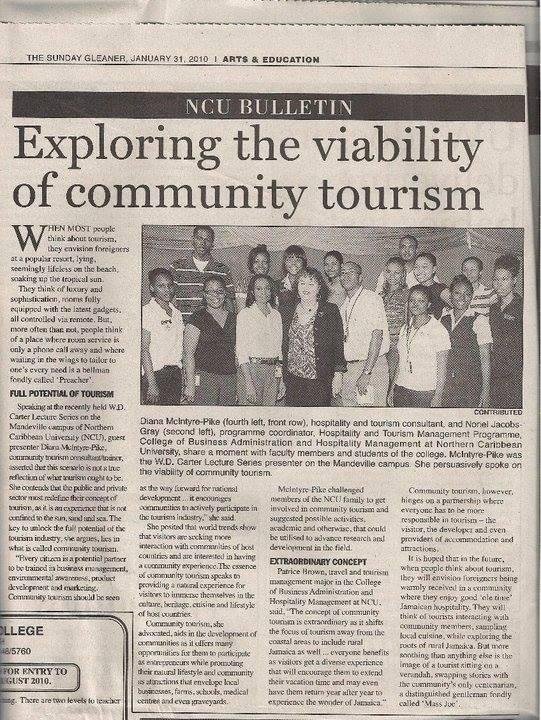
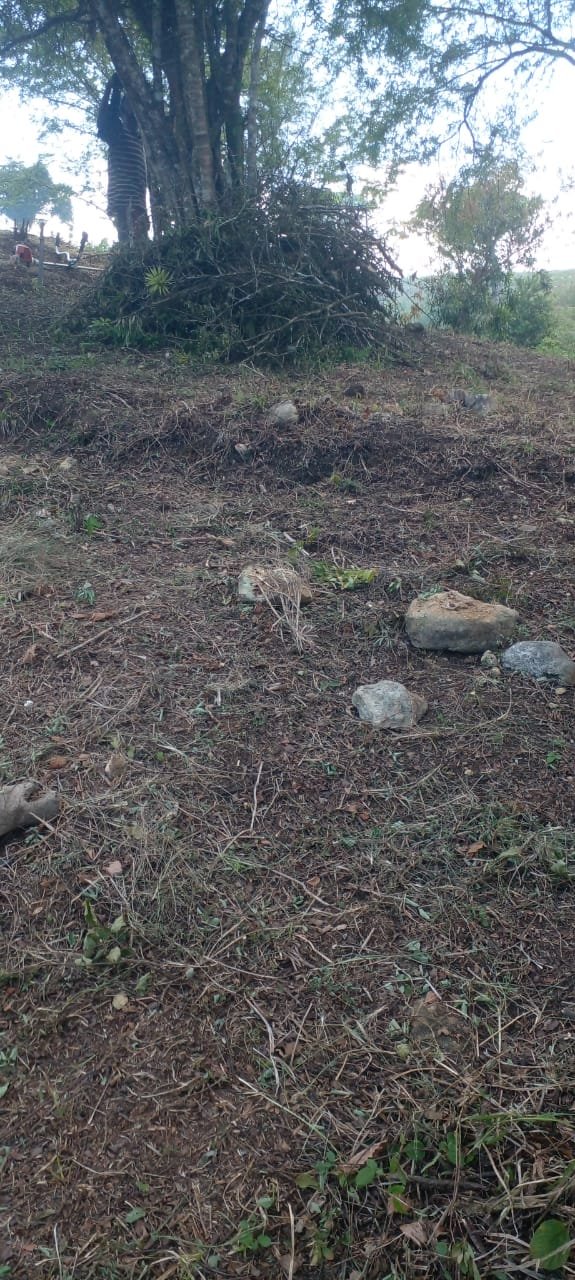
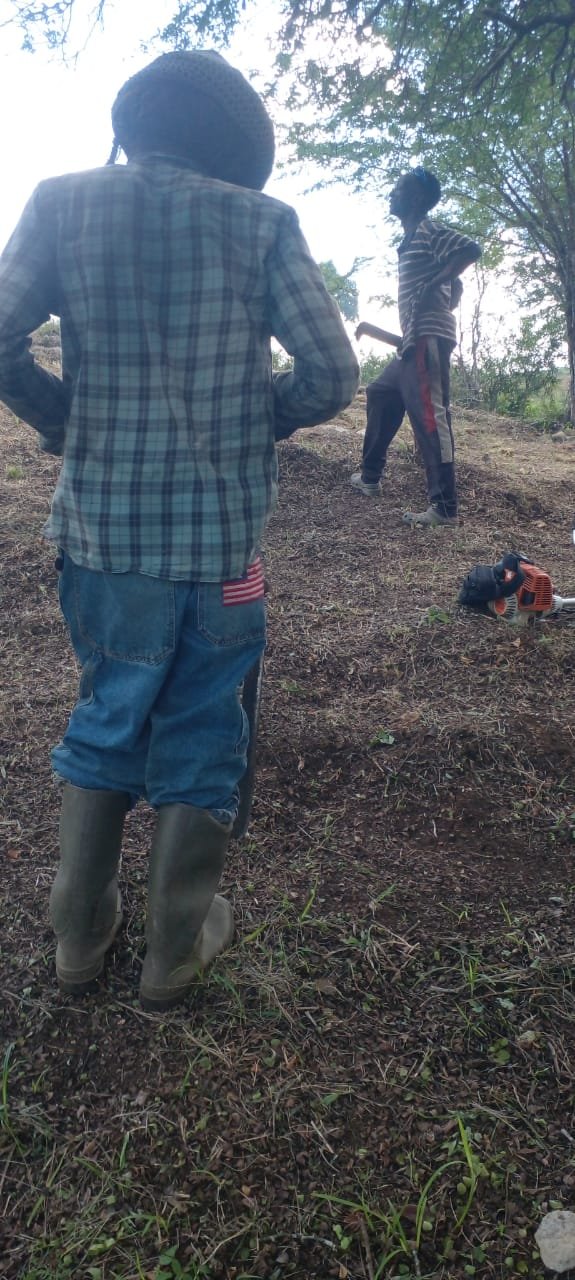
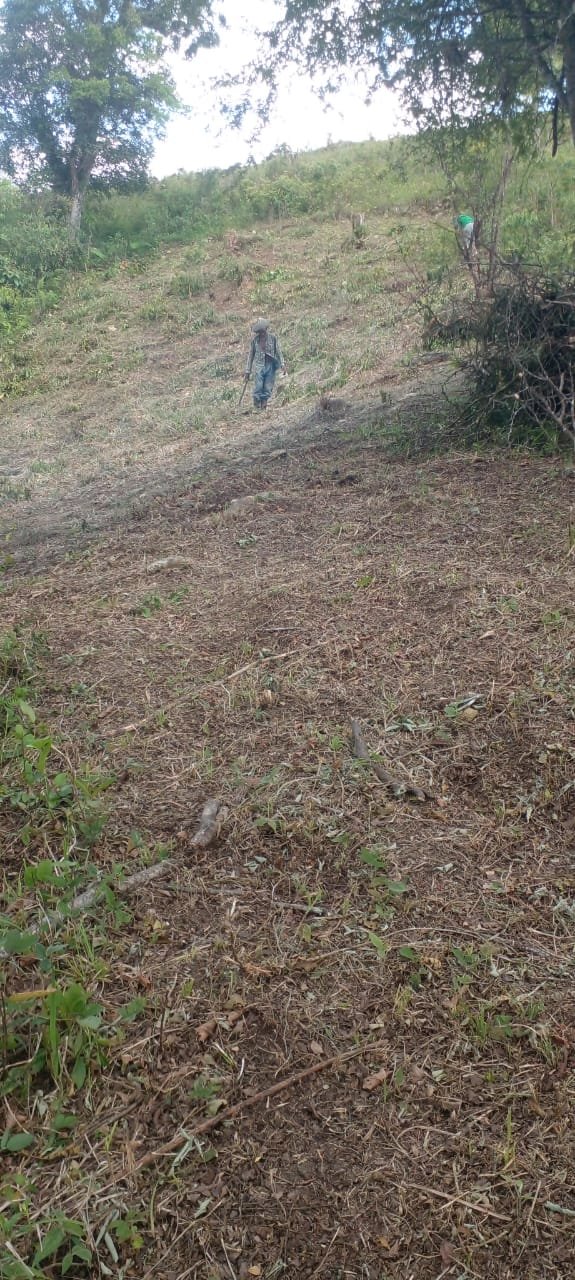
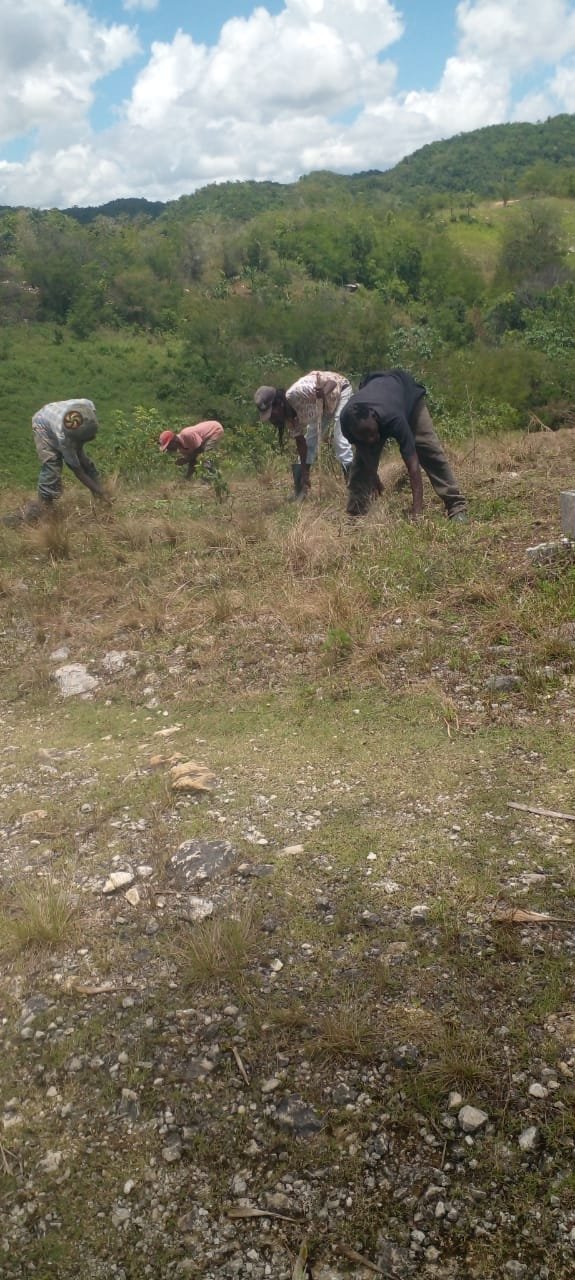
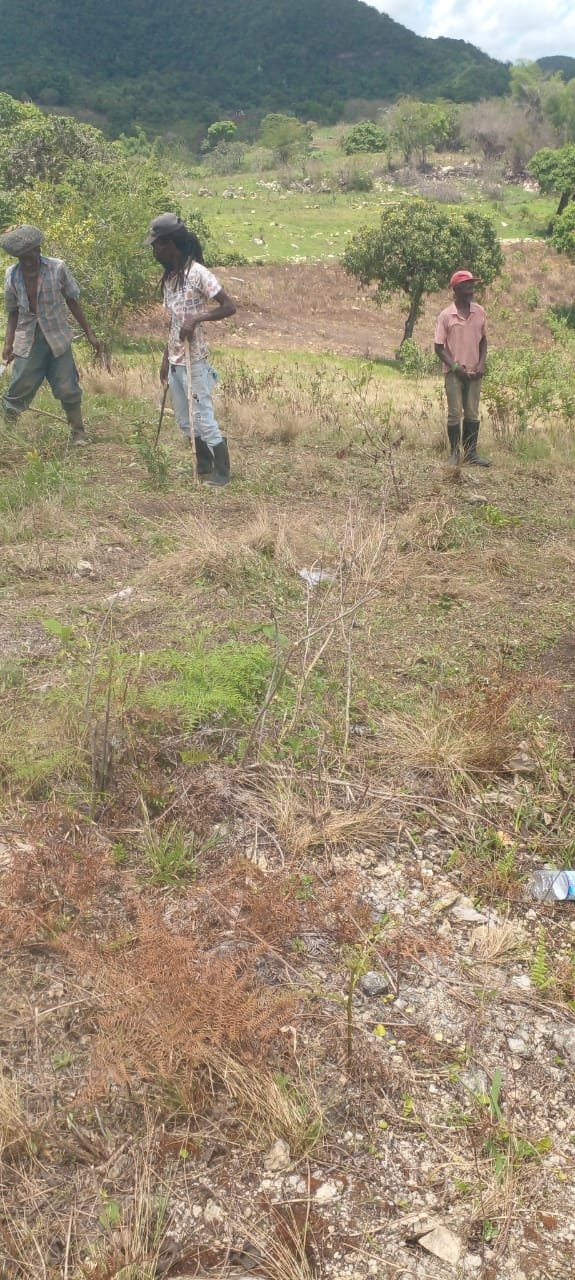
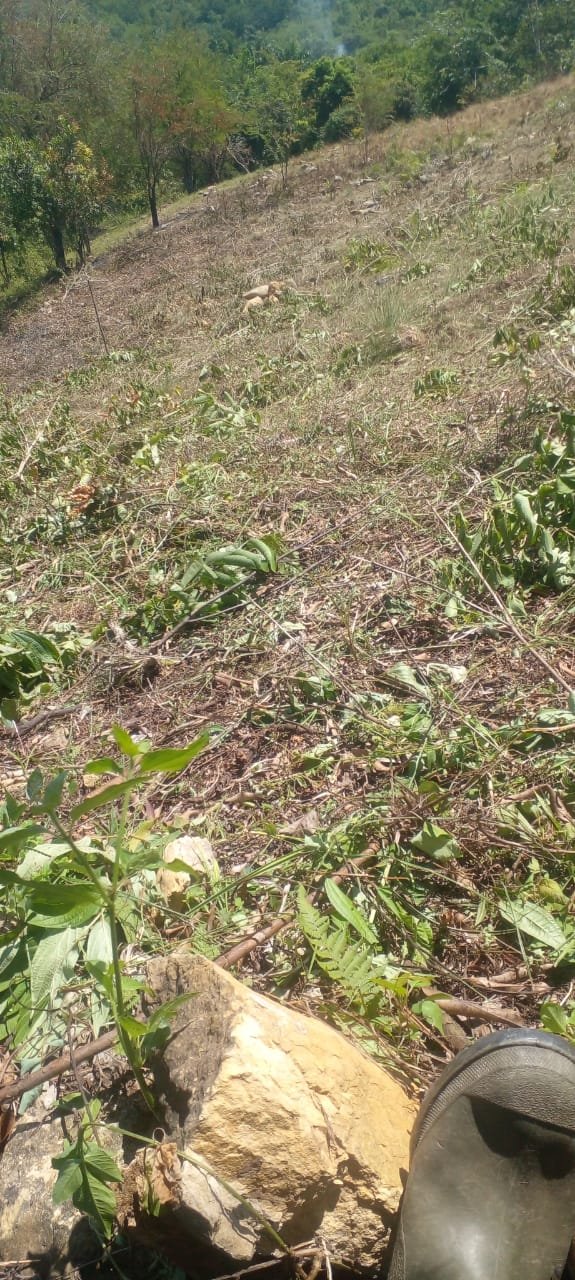
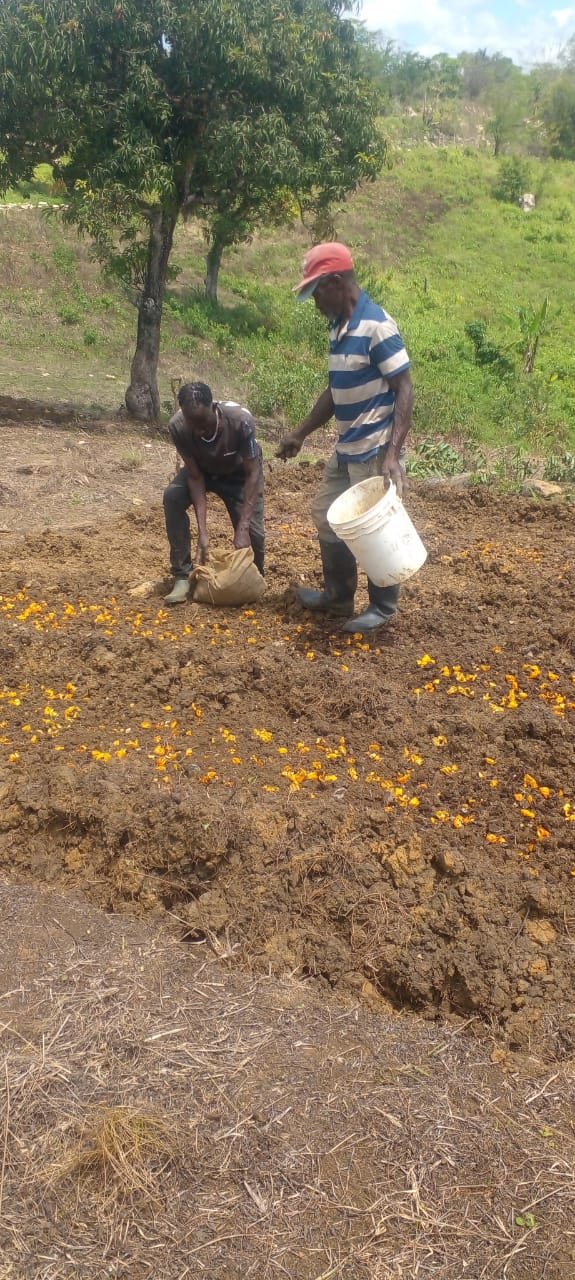
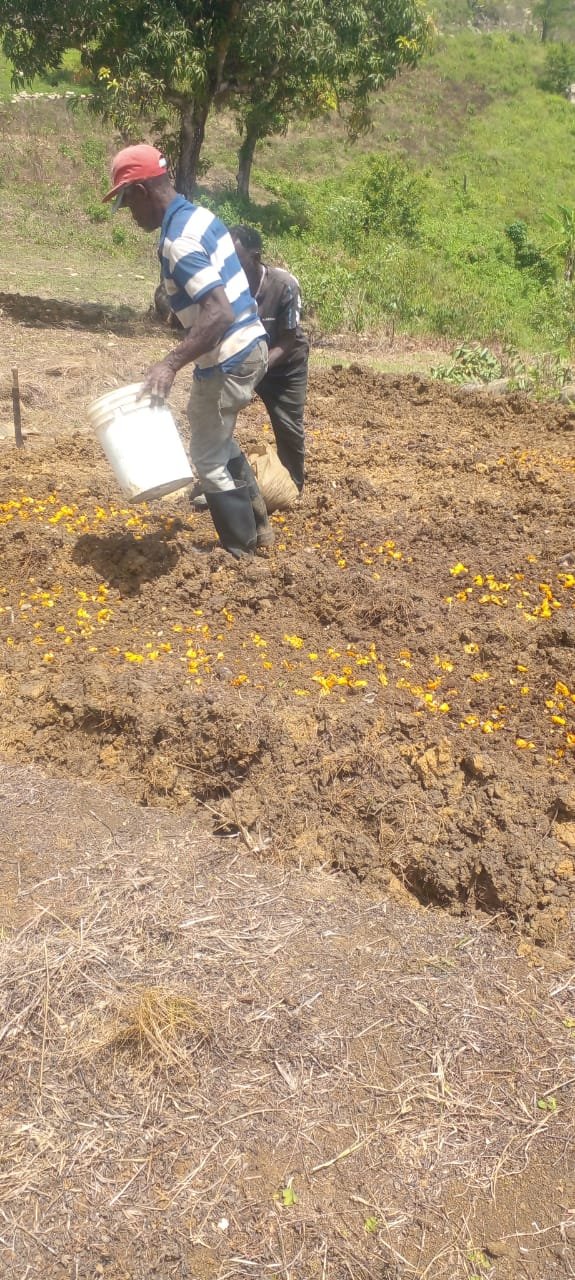
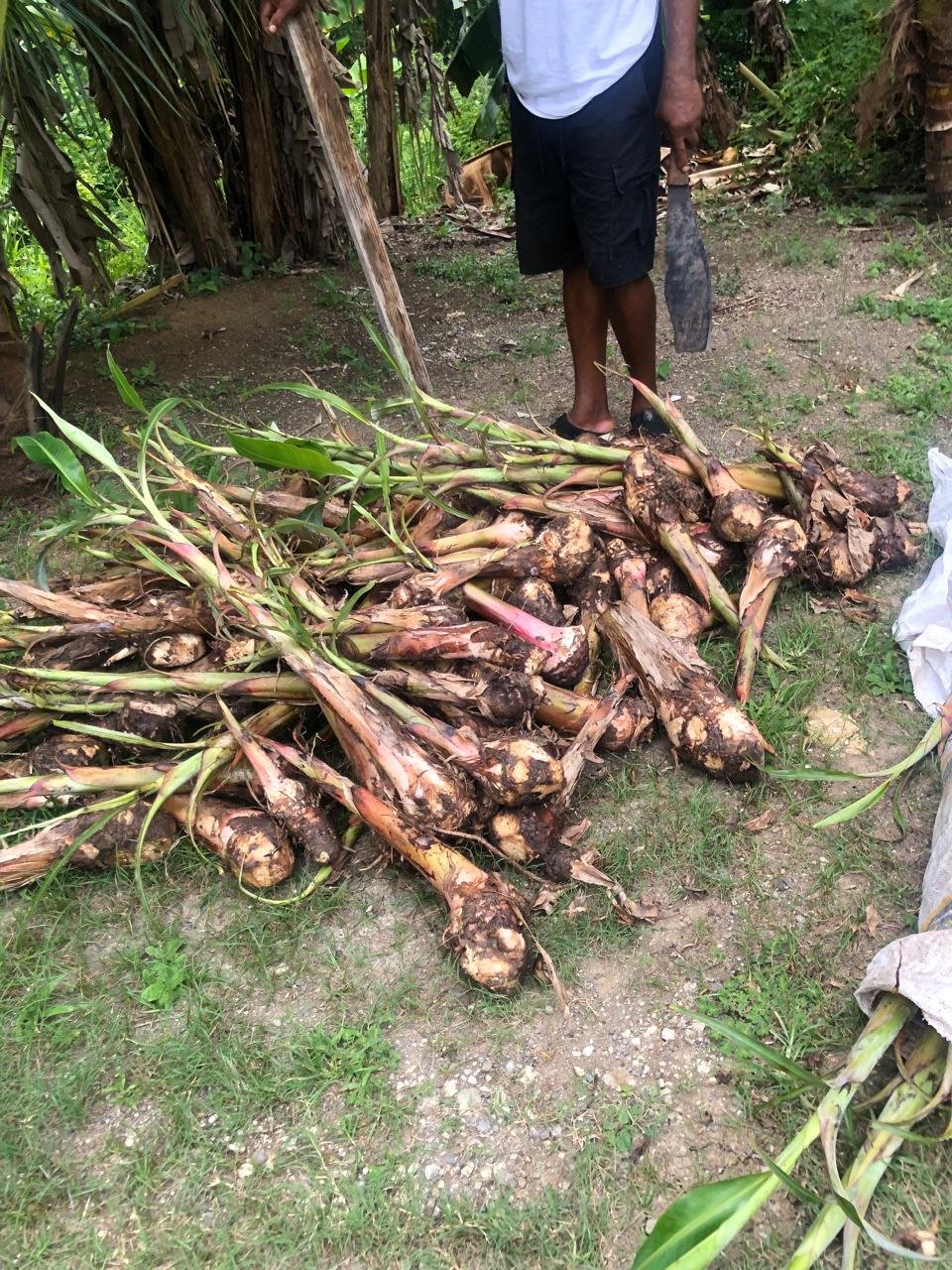
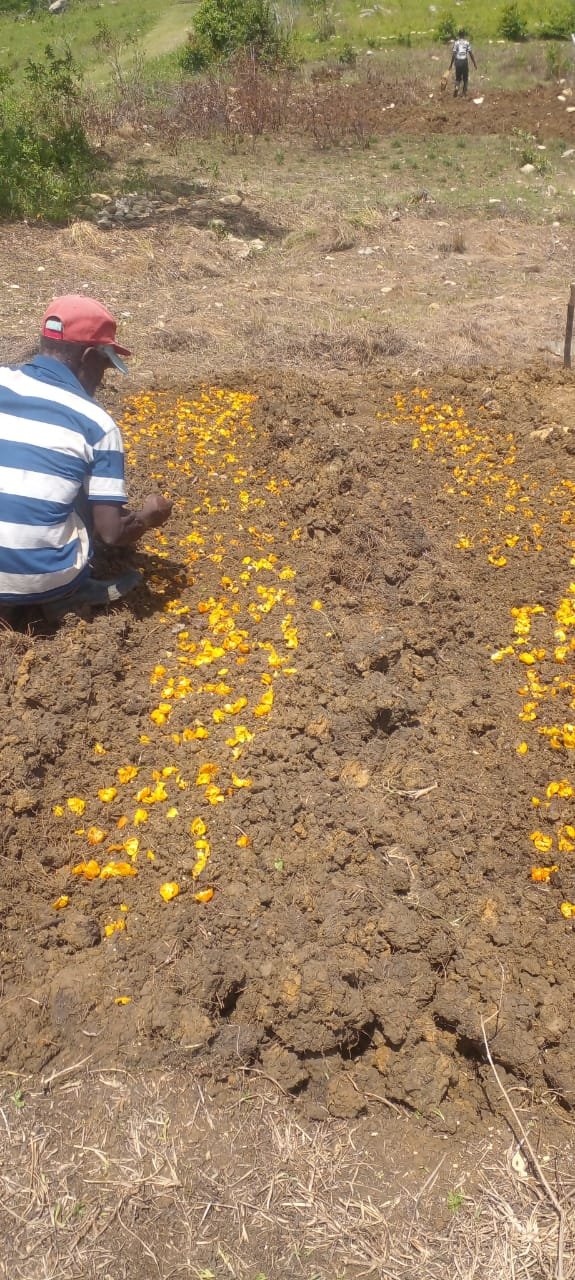
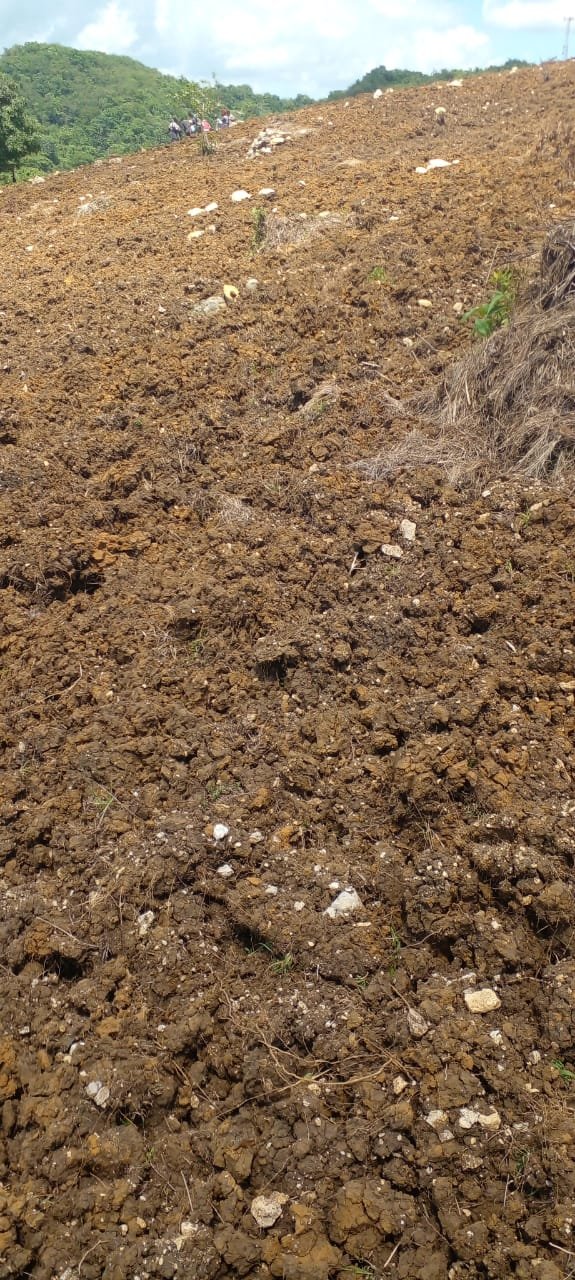
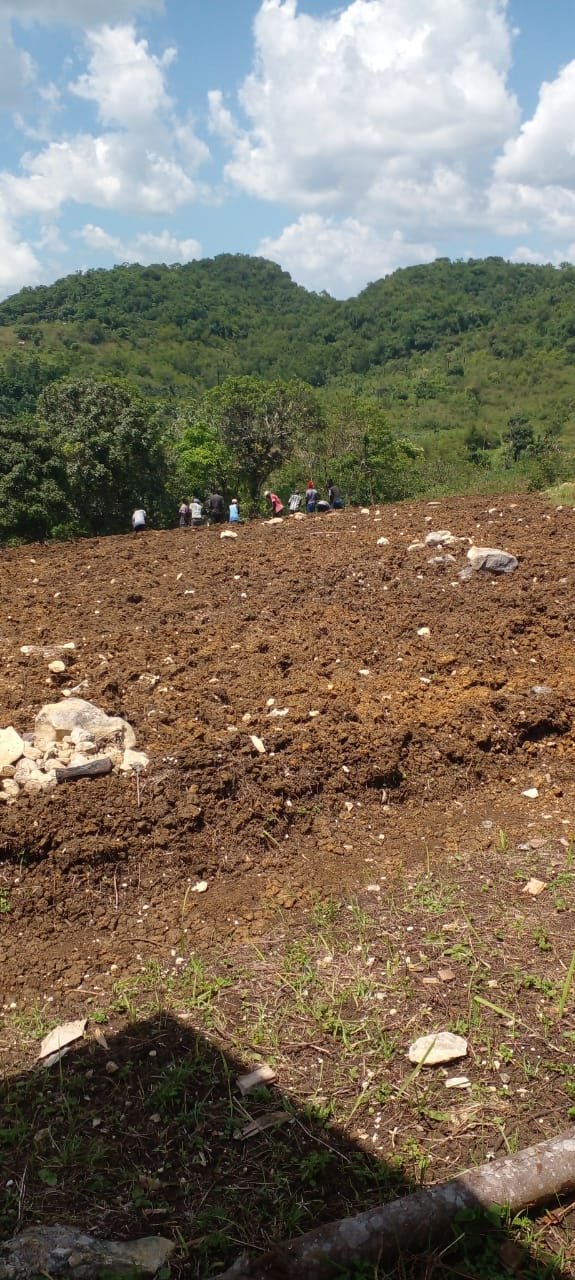
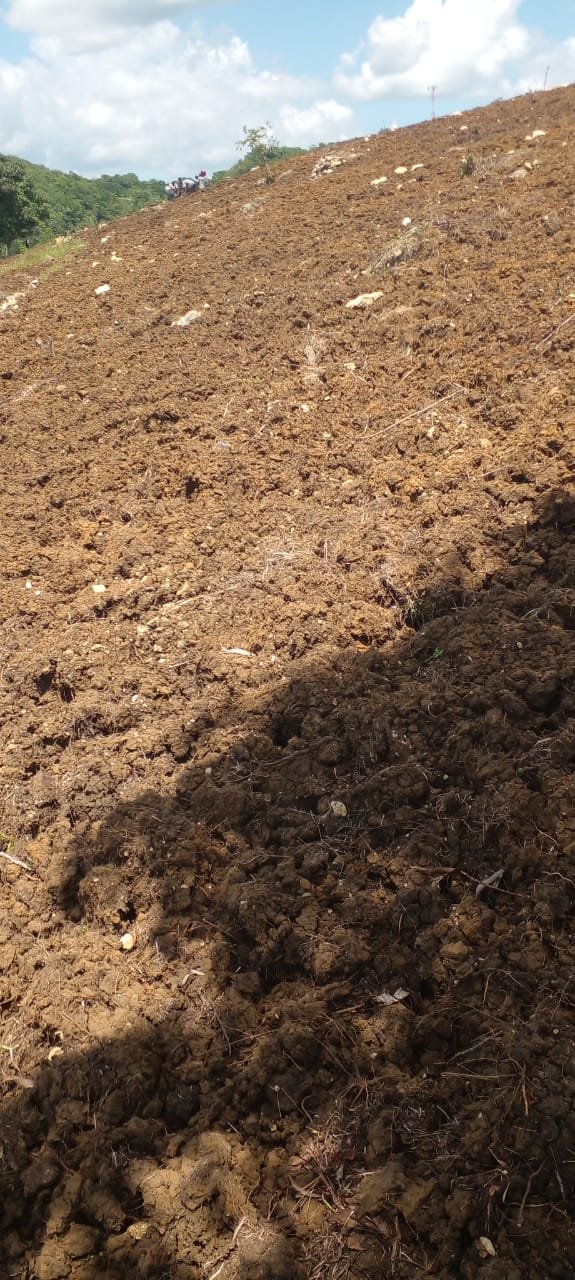
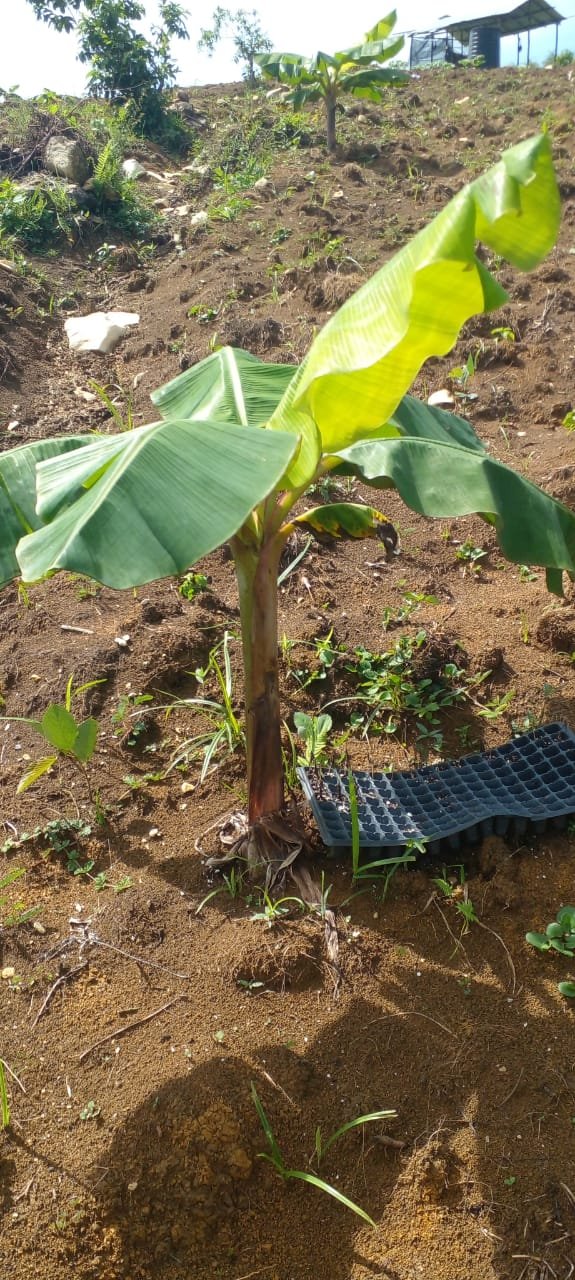
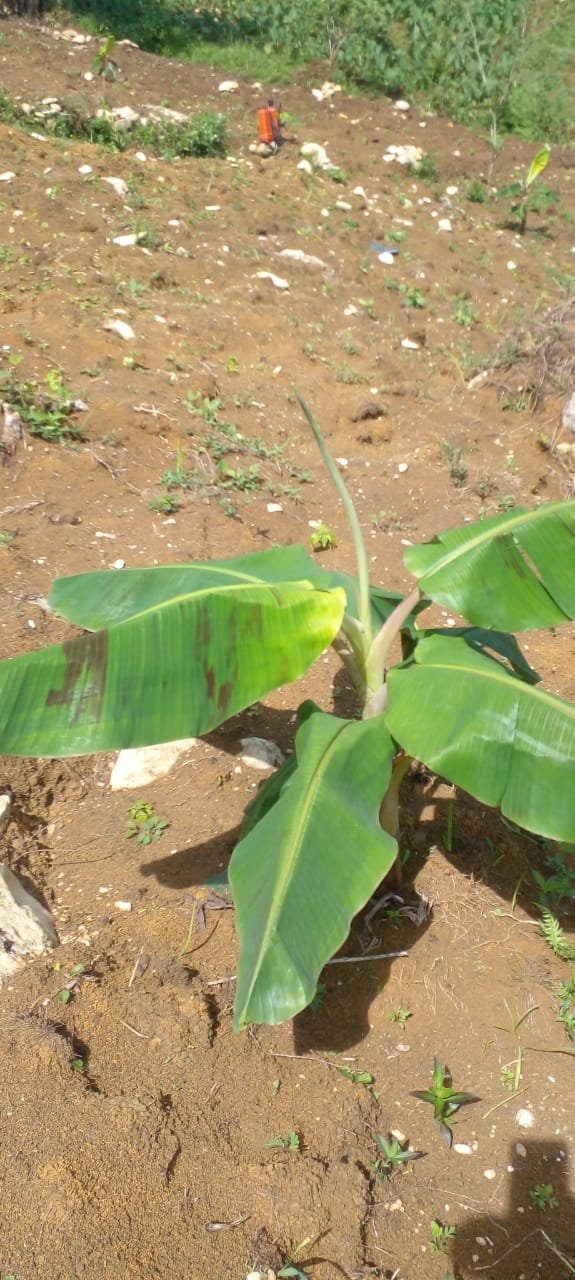
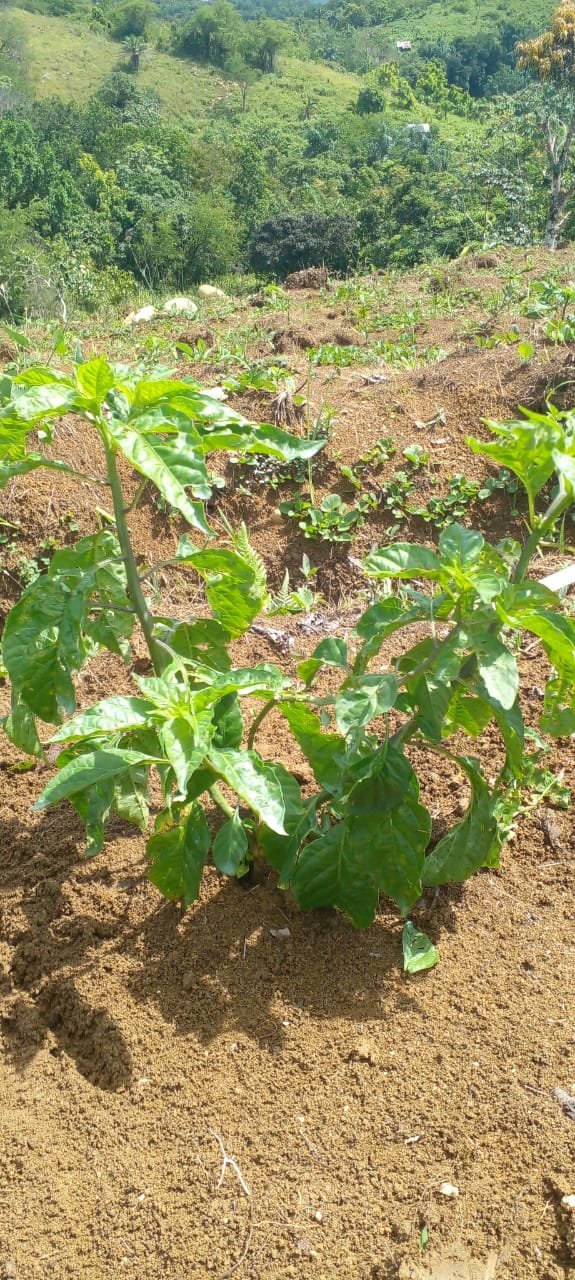
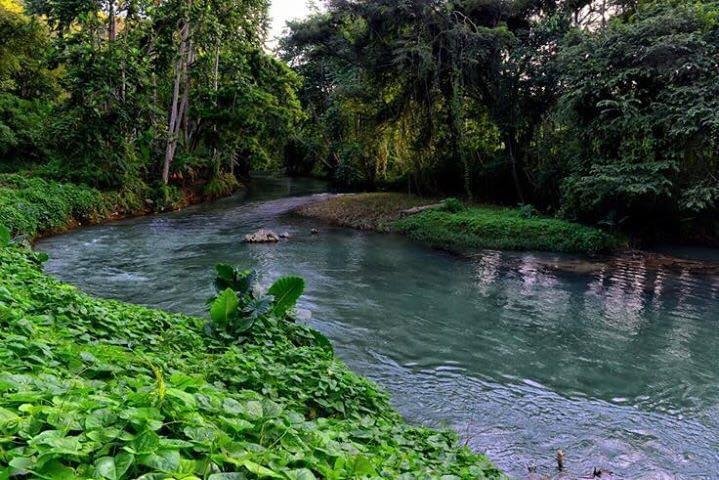
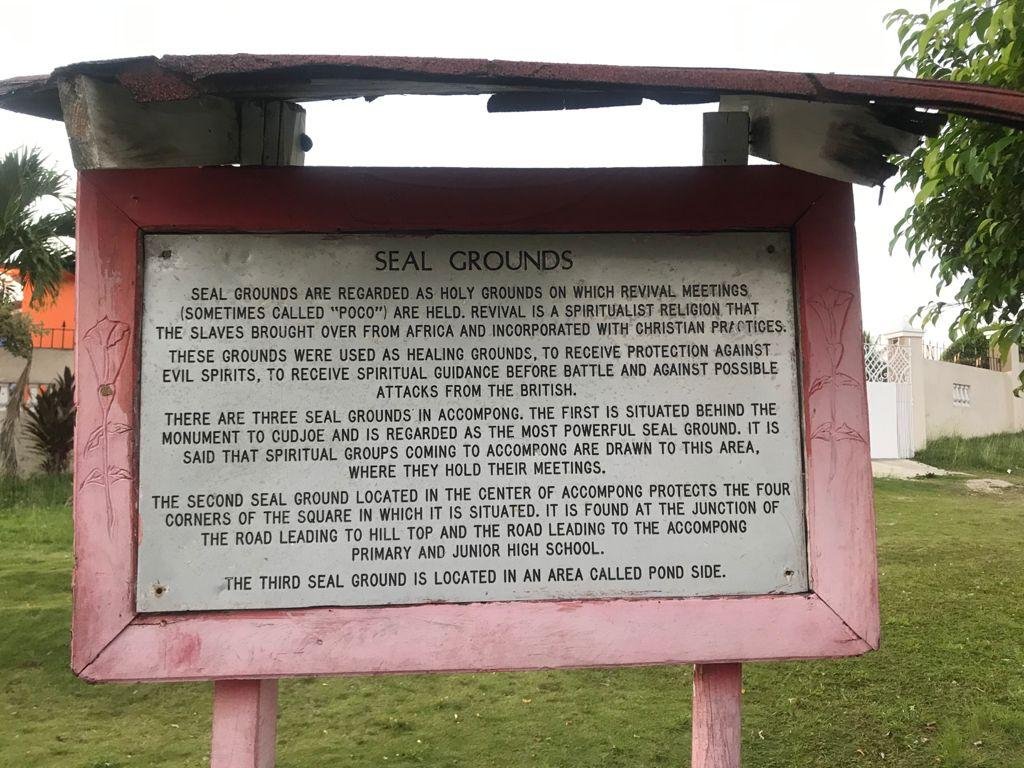
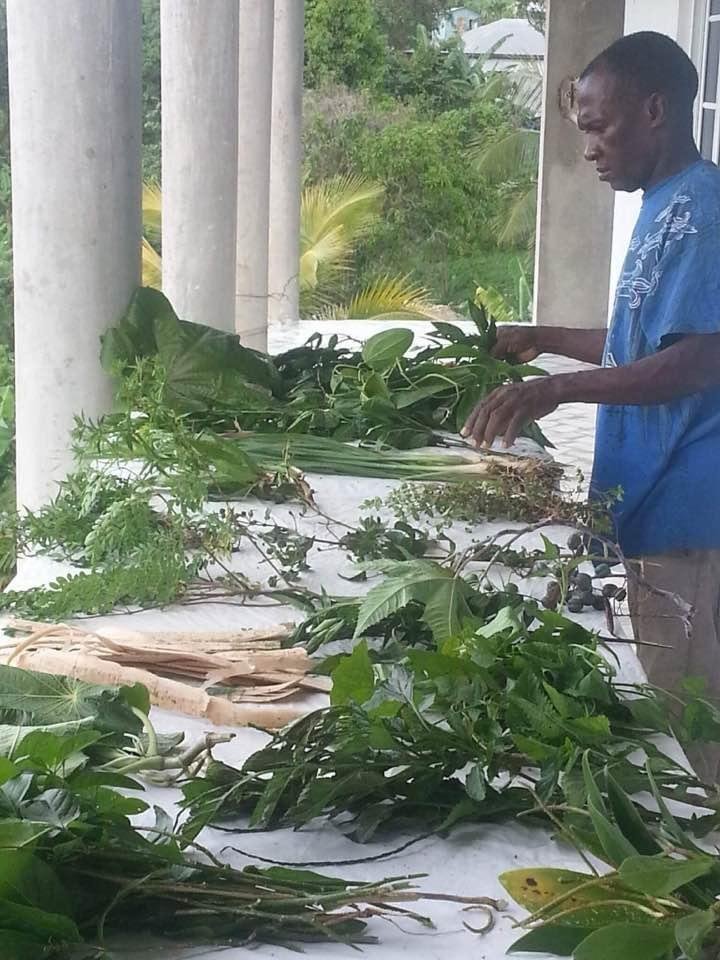
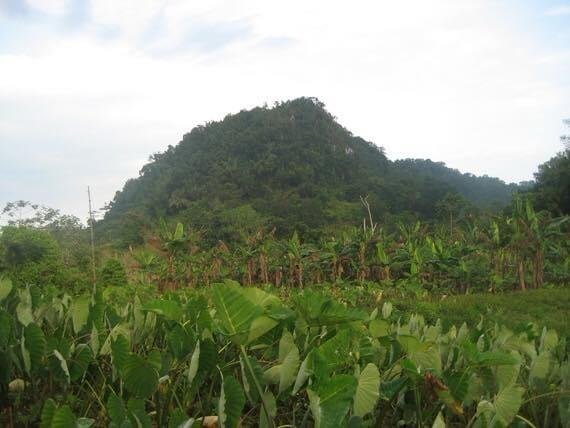
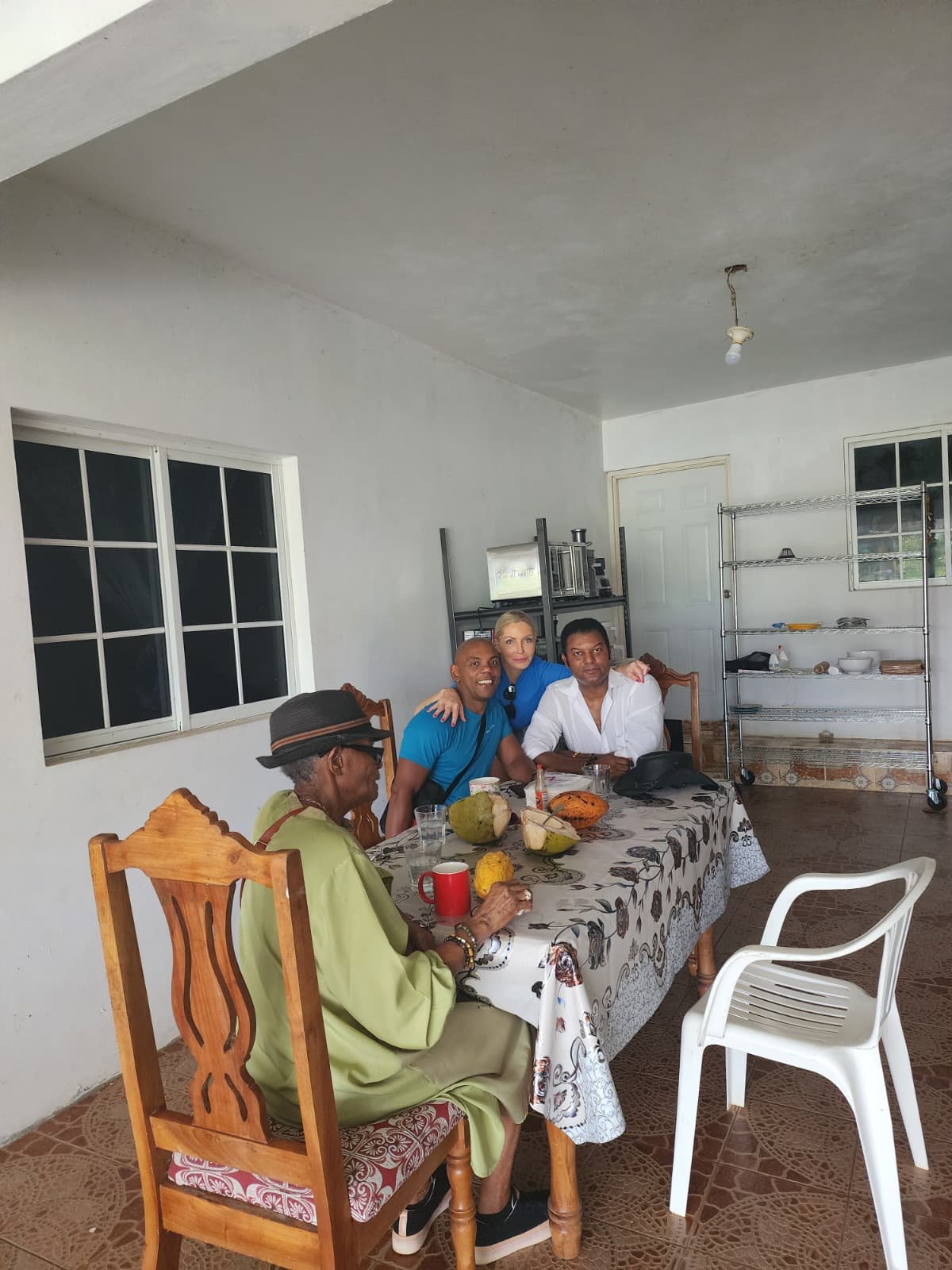
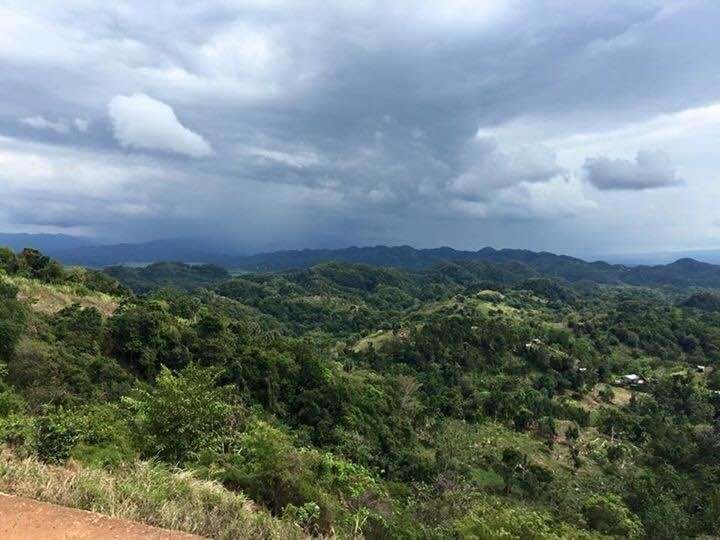
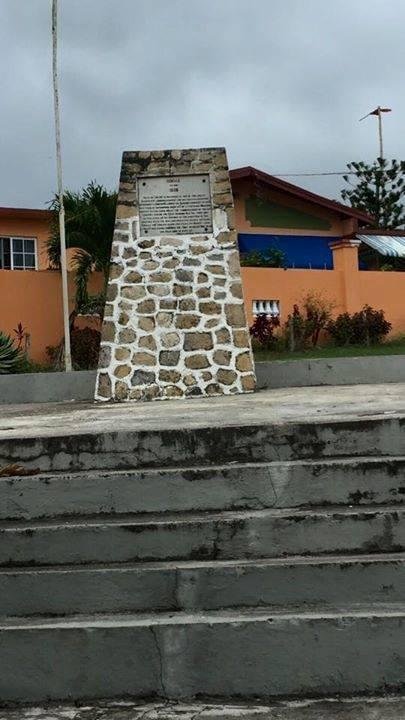
The Maroon Treaty of 1738The historic peace treaty between the Maroons and the British.U.S. House Proclamation — January 6, 2023U.S. House of Representatives Proclamation by Congresswoman Yvette D. Clarke honoring the 285th Anniversary of Maroon Independence.Standing Before the TreatyCommunity members at the Maroon Treaty display.Festival DayThe community celebrates, branches in hand.In ProcessionTraditional dress carries the celebration through the streets.Community TogetherNeighbours gather along the street, beside the murals.The Kindah Tree — AccompongThe historic meeting tree of Accompong, where the Maroons’ councils and gatherings are held.From the LandGuests share cacao and coconut at the table.Ex-Col. Mortel WrightHolding a copy of the Treaty signed in Accompong on March 1, 1739 — from Reggae & African Beat magazine, August 1985.Mr. Man O. RoweAccompong Maroon Secretary of State.From the ArchiveMaroon leaders of an earlier generation — a treasured archive photograph, signed Col. Rowe.An Elder of the NationA Maroon elder in traditional dress.The KeepersMaroon elders, from the community archive.On the PathAn elder of Accompong, on the woodland path.The Drum SpeaksThe Maroon rhythm, kept by hand.An Elder of AccompongStanding in the town he calls home.In the Press — 2010The Sunday Gleaner, January 31, 2010: Northern Caribbean University explores the viability of community tourism.A Stand Against Violence“I say no to violence against women and girls.”Clearing the LandProject land cleared by hand on the hillside.The Work CrewClearing and preparing the fields of the Scotch Bonnet Pepper & Plantains Project.Up the SlopeWorking the hillside fields.Hands in the SoilThe crew at work in the project fields, the Cockpit Country hills behind.In the FieldProject workers in the field.Cleared and ReadyFresh-cleared ground, ready for planting.Sowing the PeppersScotch bonnet going into the tilled beds.Row by RowPlanting the scotch bonnet beds.Plantain SuckersPlanting material gathered — plantain suckers ready for the ground.Tending the BedsCareful hands over the scotch bonnet rows.The Tilled HillsideThe project fields, turned and ready.The Prepared LandA hillside of rich soil, prepared by the crew.Turned EarthBeds turned on the slope.Plantain RowsYoung plantains standing in their rows.Taking HoldA young plantain taking hold in the soil.The Pepper FieldScotch bonnet standing in the field, the hills behind.The RiverWater through the green heart of Maroon country.The Seal Grounds of AccompongHoly grounds where Revival meetings are held — Accompong has three Seal Grounds, used for healing, protection, and spiritual guidance.Bush MedicineLeaves and barks, gathered and prepared the traditional Maroon way.The Next GenerationMaroon schoolchildren in their Jamaican Maroons shirts — “Together We Build.”Maroon CountryBanana walks beneath the green hills.At the TableThe Maroon welcome — cacao, coconut, and conversation.The Cockpit CountryThe green hills of Maroon country, Jamaica.
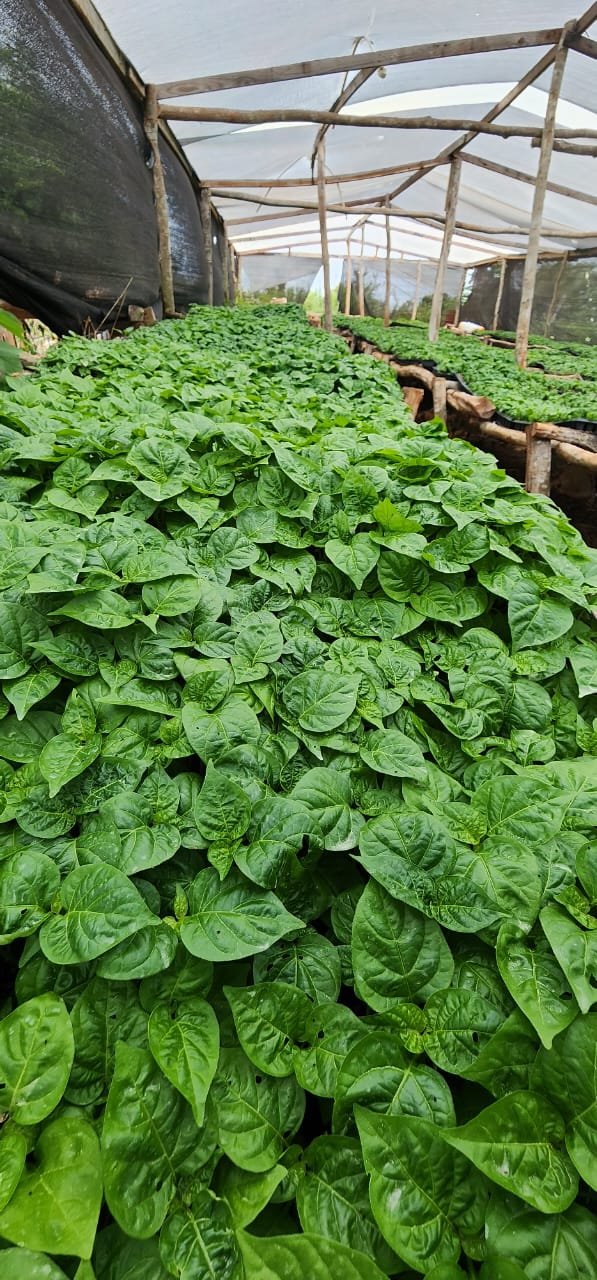
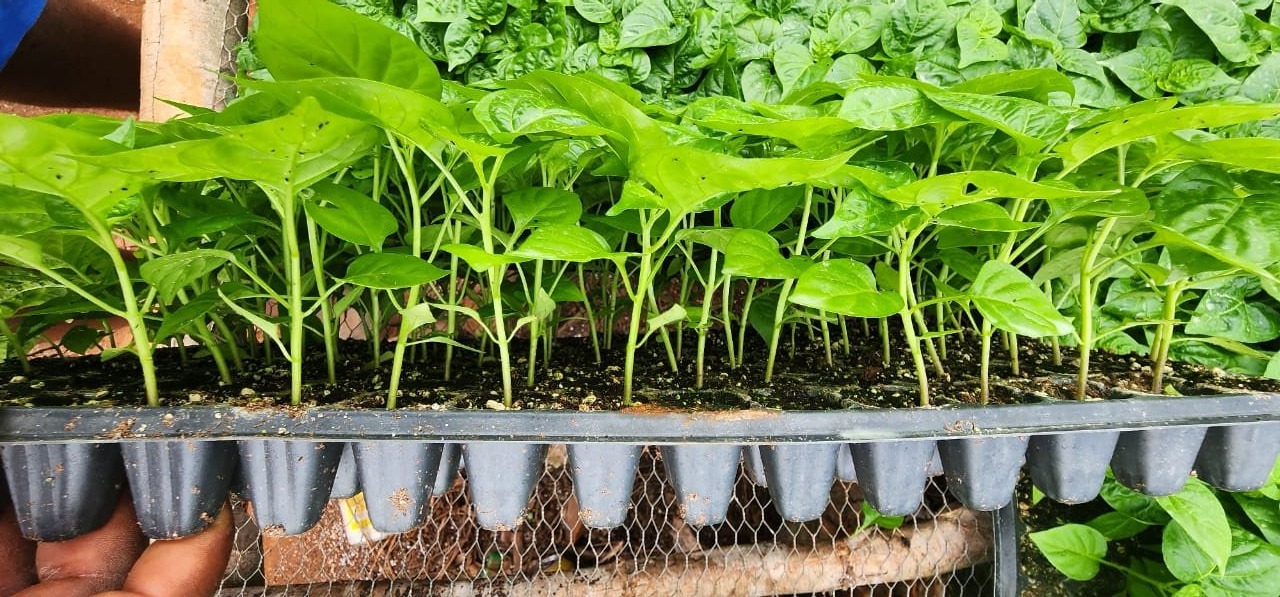
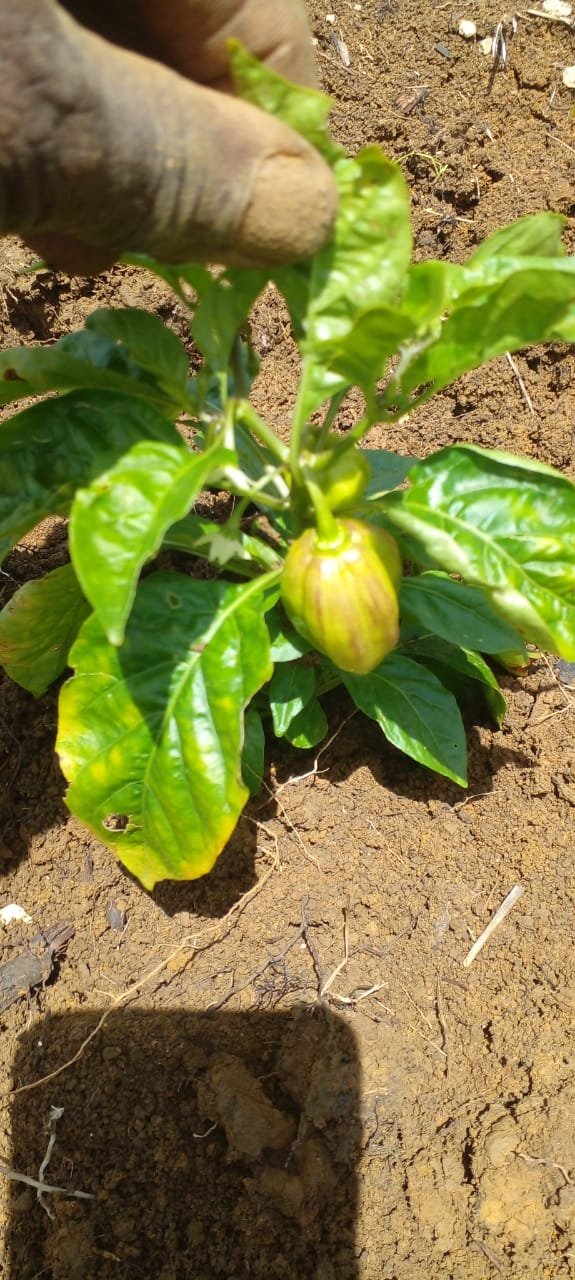
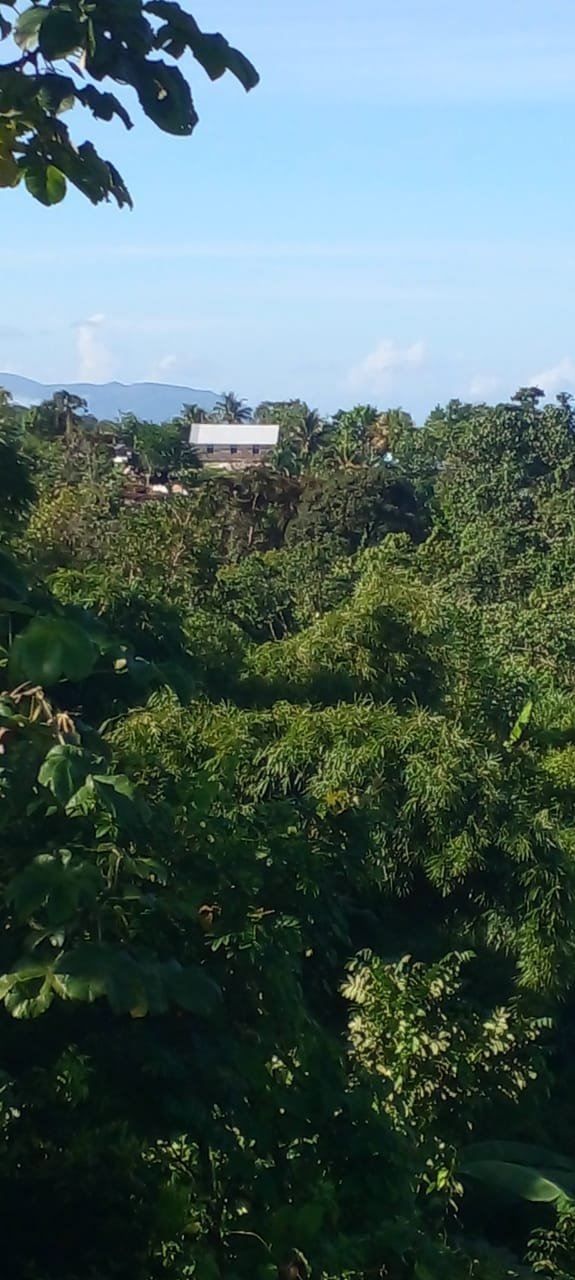
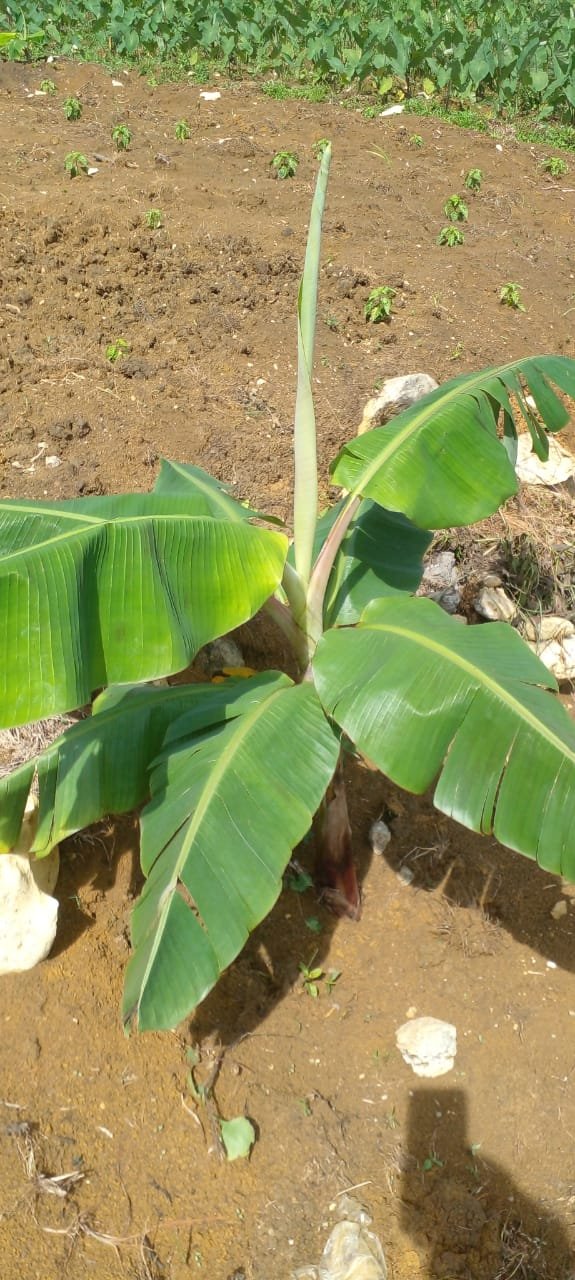
Nanny of the Maroons Monument — Bump Grave, Moore TownThe burial site of Queen Nanny, 18th-century military leader of the Jamaican Maroons and Jamaica’s only female National Hero. Moore Town, Portland Parish.Before the StormThe Scotch Bonnet Pepper & Plantains Project, growing strong under the shade house — before Hurricane Melissa destroyed it.Pepper SeedlingsScotch bonnet seedlings, raised by hand for the project fields.First FruitA young scotch bonnet plant bearing its first pepper, before the storm.A Home on the HillMaroon country, seen through the trees.Plantain, PlantedA young plantain in tilled soil — part of the project lost to Hurricane Melissa.